








.svg) Personal Statement
Personal Statement  2 Recommendations
  Online Application From
  Application Fee
  Parent/Guardian Consent


Application is closed




Columbia Climate Corps are small group climate and sustainability-focused traveling programs designed for motivated high school students. These summer programs combine intentional travel with in-depth educational opportunities, taking students across the United States and abroad to experience a destination through the lens of climate change and focus intently on one or two location-specific themes.
 Non-credit
 Residential
 Financial Aid
Faculty and staff from the Columbia Climate School will join students on these trips, engaging them in cutting-edge research, leading lectures and facilitating workshops. Led by a dynamic team of experienced group leaders, students gain critical skills and knowledge through excursions and field-based learning activities, discover and develop new and existing passions around climate change, and build lasting friendships with like-minded peers, group leaders, and Columbia Climate School experts.
Alaska - Climate Communications and Exploration
As the first place in the Americas settled by humans, more than 15,000 years ago, Alaska is home to the continent’s most ancient cultures, each with a rich storytelling tradition; these cultures adapted to harsh and varying conditions. From the interior tundra to the glaciated coastline of the Kenai Peninsula, climate change has drastically shifted indigenous communities’ traditional ways of life. Melting sea ice coverage and a reduced hunting season is quickly impacting food security across groups, and cultures that have survived for millennia now face new threats to their livelihoods and traditions.
Highlights
- Gain perspective on Alaska Native culture through workshops at the Native Heritage Center in Anchorage
- Learn to use language, imagination, and creativity to share how Alaskan communities are adapting to local and global climate challenges
- Go tide pooling by the pristine waters of Kachemak Bay at the southwestern tip of Kenai Peninsula.
- Discuss the effects of climate change on Alaska’s glaciers and its direct impacts on indigenous communities and established ways of life with naturalist guides
- Scout for moose, caribou, and grizzlies as you explore Denali National Park
- Explore and produce work across disciplines using compelling communication and storytelling methods that are powerful mediums
- Immerse in research alongside experts and translate this learning to new audiences through the power of storytelling and climate communication.
Chile & Argentina- Climate Impacts and Risk
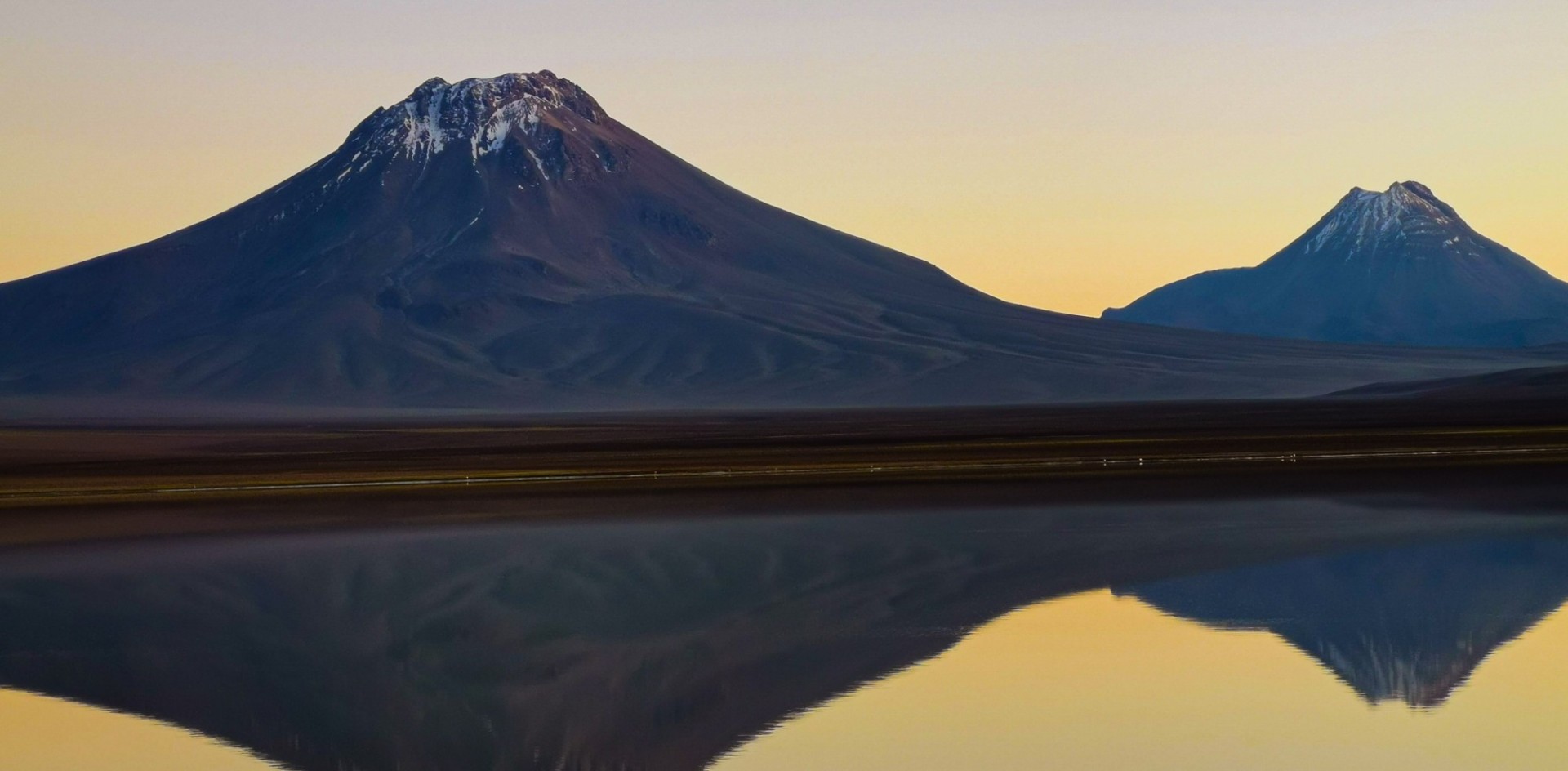
Home to vast mineral deposits, towering mountain ranges, and dramatic desert landscapes, Chile and Argentina have come to play an important role in powering the renewable energy transition while already encountering impacts of climate change. During this three-week journey with the Columbia Climate School and our experts, learn about the impacts of climate change on risk and preparedness in Santiago and Valparaiso, the mining industry and diminishing water resources in northern Chile, and how local communities are responding as you travel from Santiago, Chile to the Atacama Desert and on to the Andean plateau of northern Argentina.
Highlights
- Join a Columbia faculty expert on a guided visit to the Hanging Glacier outside Santiago
- Take a day trip to Valparaiso and visit the Hydrographic and Oceanographic Service of the Navy to learn about disaster risk reduction strategies, tsunami risk, and warning systems
- Understand how networks of government and civil-society organizations can partner to strengthen network responses to resilience and mitigation efforts
- Explore the Chilean desert and examine the climate impacts and the role of human rights and gender equality in the mining sector, with special attention on local communities
- Hike a section of the Inca trail in northern Argentina
- Walk alongside ancient water management systems in northern Argentina and interview local contacts about the impacts of climate change
- Uncover mitigation strategies and solutions along the way, walk away with scientific, technical, social, and financial perspectives around climate risk in South America, and develop your own project to share your findings and identify solutions to challenges at home.
Iceland - Carbon Capture Technology
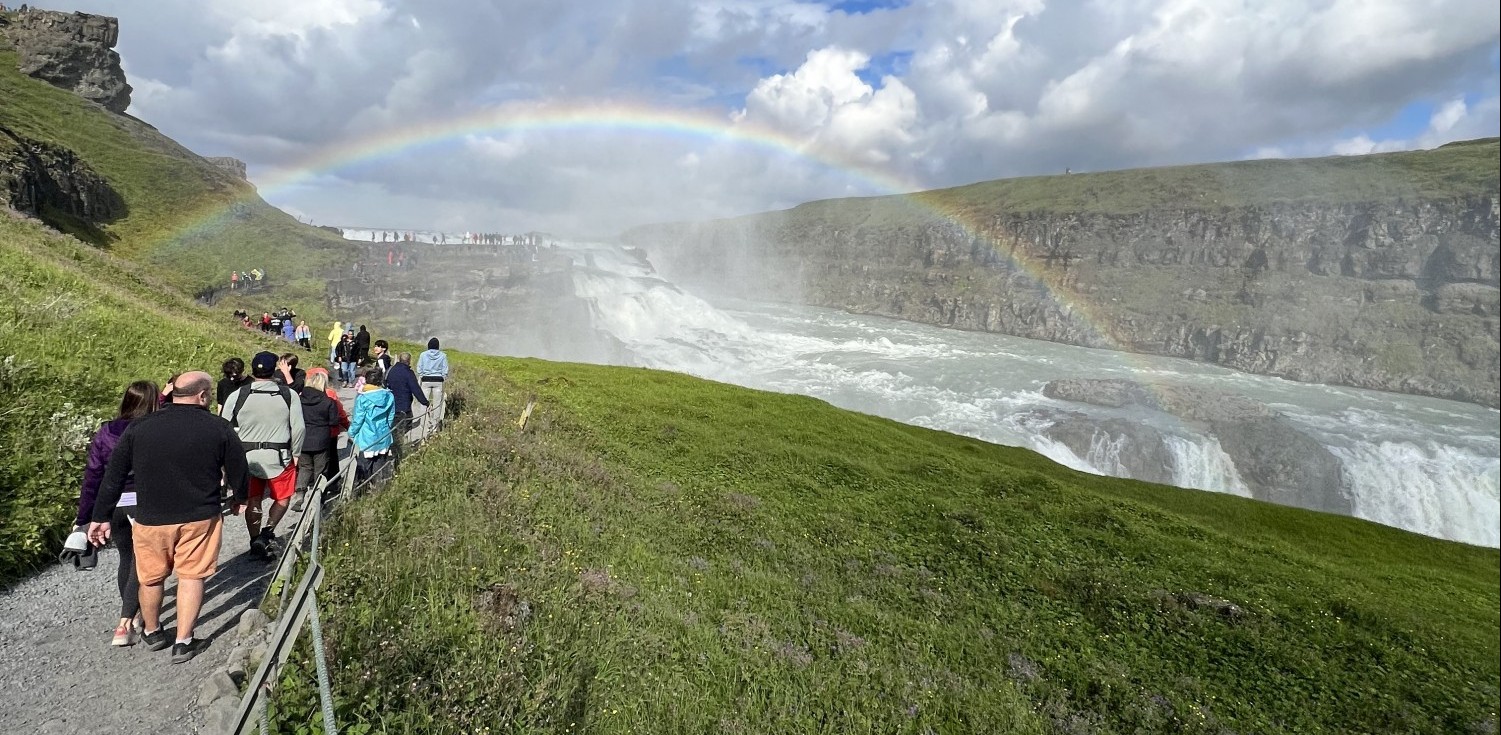
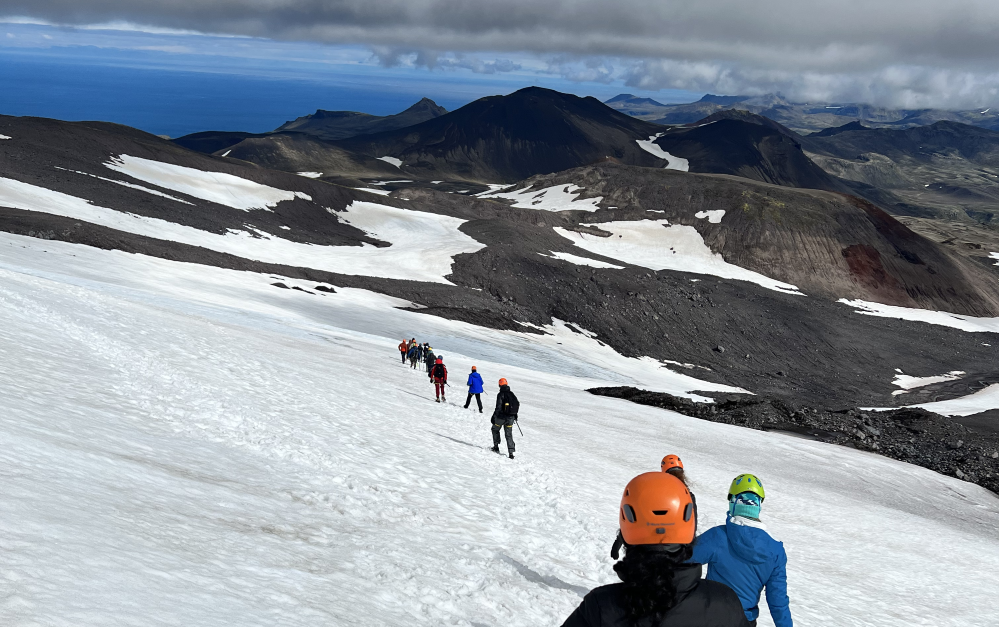
With active volcanoes, melting glaciers, and a commitment to renewable energy, Iceland is both experiencing the ongoing impacts of climate change and sitting at the cutting edge of the development of new ideas and innovative solutions to solve climate change. You’ll have a chance to trek on glaciers, soak in thermal pools, hike to soaring waterfalls, and dive into climate science, the uniqueness of Iceland’s geology, geoengineering projects, and cutting-edge technological solutions that have the potential to transform power systems globally in this singular island nation.
Highlights
- Go behind the scenes at a geothermal power plant to witness first-hand how Iceland is leading carbon capture projects through international partnerships
- Straddle two tectonic plates at Thingvellir National Park and learn about how Iceland’s majestic landscapes are shaped by active plate tectonics, glacial movement, and volcanoes
- Scout for puffins, whales, and seals as you kayak through pristine waters
- Learn directly from geoengineers, volcanologists, glaciologists, and foresters who are working collaboratively to generate solutions to address atmospheric CO2 challenges
- Walk away with a better understanding of how carbon capture technologies work, how they will allow us to adapt to climate change and mitigate adverse impacts, and how they can inform our decision-making
- Hone in on future career possibilities in fossil and renewable energy generation, power distribution, environmental policy, and so much more.
Students stay in doubles to quadruples in a mix of hostels and small, family-run guesthouses. Leaders have singles in the same locations as students. Breakfasts are often taken on-site, with lunches and dinners out in cafes and restaurants.
Alaska - Climate Communications and Exploration
Program Capacity: 18 students + 2 Putney Student Travel leaders + 1 Columbia Climate School expert
Specific Locations: Anchorage, Homer, Denali
Transportation:
Students will meet in Anchorage, with the option of a leader-escorted flight from Seattle. The group will travel using rented vans driven by the group leaders.
Special notes:
This program will include high levels of physical activity with hikes up to 5 miles in length.
Chile & Argentina- Climate Impacts and Risk
Program Capacity: 18 students, 2 Putney Student Travel leaders, 2 Columbia Climate School experts
Locations: Santiago, Valparaiso, Atacama, and northern Argentina from Humahuaca to Salta
Transportation:
The program will begin in Santiago; students will have the option to take a group flight from Miami, or join the group in Santiago. The group will travel around using a mix of public and private transportation in Santiago, and a chartered bus for excursions out of the city. The group will fly together from Santiago to Calama, in the Atacama Desert, and transfer to the town of San Pedro de Atacama. They will then travel by private bus from San Pedro de Atacama to Salta, stopping in the towns of Tilcara, Santa Ana, and Valle Colorado for 1-2 nights each. The group will fly from Salta to Buenos Aires and then return to Miami.
Special notes:
This program spends a lot of time outdoors, and students should be prepared to hike for several miles on multiple occasions. July and August are winter in South America, so students should be prepared for cooler temperatures and shorter days.
Iceland - Carbon Capture Technology
Program Capacity: 16 students, 2 Putney Student Travel leaders, 2 Columbia Climate School experts
Locations: Reykjavik, Snæfellsnes Peninsula
Transportation:
The program will begin in Reykjavik; students will have the option to take an escorted flight from New York City, or join the group at Keflavik International Airport. The group will travel around using public transportation in Reykjavik, and a chartered bus for excursions out of the city.
Special notes:
Weather is unpredictable in Iceland, and even in the summer months, cold temperatures and rain are not uncommon. This is a very outdoor-focused program, so students should be prepared to hike for several miles on multiple occasions.
High school students grades 9-12 and motivated rising 9th grade students are welcome to apply. Any rising 9th grade student (completing 8th grade this academic year) should continue the pre-filled application info indicating 'High School' when applying to Columbia Climate School Summer Pre-College programs.
Personal Statement
2 Recommendations
Online Application From
Application Fee
Parent/Guardian Consent
We will require the following documents to be submitted with your application:
Completed online application form
Non-refundable $200 application fee
$500 enrollment deposit to hold-space in the program
A signed Agreement Form
The contact information for two references. (At least one reference must be a teacher/instructor who knows you from an academic setting, the other can be written by someone who knows you in an extracurricular setting, such as a part-time job, after-school club, etc. No letters from parents or friends are acceptable.)
Personal Statement (A short statement outlining your interest in this program. 300 words maximum.)
Deadline
These programs have a rolling admissions process and applicants will be accepted until a program fills to capacity.
Jul 17 - Jul 28
 2 weeks
 Residential
Jul 22 - Aug 11
3 weeks
Residential
Jul 20 - Aug 01
2 weeks
Residential
Residential
Jul 22 - Aug 11
3 weeks
Residential
Jul 20 - Aug 01
2 weeks
Residential
Students who wish to apply and hold space in a program must complete the Online Application Form, submit a signed Agreement Form, and provide a $700 payment, consisting of a $200 Application Fee and a $500 Enrollment Deposit. The $500 Enrollment Deposit is applied toward your total program fee.
Refunds:
If a student is not accepted into the program, the $700 deposit is returned in full.
If a student is accepted into the program, but withdraws their application before March 15th, they will receive the $500 enrollment deposit back.
If a student withdraws after March 15, all payments are nonrefundable.
The program cost for the 'Climate Corps' programs includes all accommodations, three meals each day, instruction, transportation during the program, entrance fees to museums and cultural sites, field excursions, guest lectures, social events, taxes, and tips.
Costs of the traveling program vary based on the destination:
Chile & Peru:$7,890
Alaska: $7,990
Iceland: $8,290
Pre-College program cost for both Pre-College Programs does not include the $200 Application Fee, international or domestic transportation to and from the program destination, baggage fees, visa and entry/exit fees, laundry, communication home, health care, gifts, snacks, or other personal expenses.
Financial Aid
Students who wish to link participation in the Columbia Climate School in the Green Mountains program with a Columbia Climate Corps traveling program are eligible for a dual enrollment discount of $1,000. When beginning an application, applicants may select multiple programs. Scholarship opportunities are made possible with the support of the Henry L. and Grace Doherty Charitable Foundation. The Doherty Foundation Scholarship provides full and partial need-based scholarships for underrepresented students and communities to join the Columbia Climate School in the Green Mountains.
Personal Statement
2 Recommendations
Online Application From
Application Fee
Parent/Guardian Consent
Application is closed

Useful Resources

Great!
Your subscribe request has successfully sent to the Columbia University
Sehr gut!
Ihre Anfrage wurde erfolgreich abgesendet an Columbia University
Tell us your
opinion about us